Posted on Jun 22, 2026
Image Credit:
File ID 198784207 | © | Dreamstime.com
Share: 



Where honesty, integrity, and quality come first!
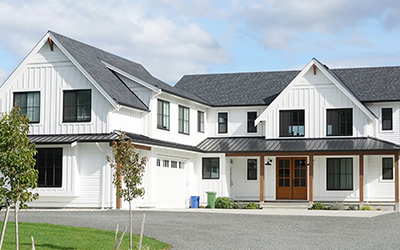
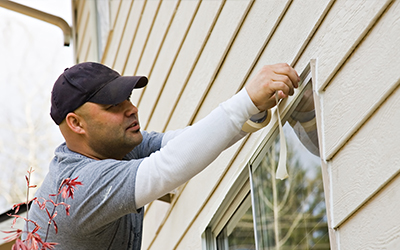
Exterior paint does more than improve curb appeal. It serves as a protective barrier that helps shield a home's surfaces from weather, temperature changes, and environmental exposure. However, moisture and humidity can have a significant impact on how well exterior paint performs over time. When these factors are not properly managed, homeowners may experience peeling, blistering, fading, or other forms of paint failure sooner than expected.
Understanding the relationship between weather conditions and paint performance can help homeowners make informed decisions about maintenance and repainting projects.
For paint to perform properly, it must bond securely to the surface beneath it. Excess moisture can interfere with this process, reducing adhesion and increasing the likelihood of future problems.
When paint is applied to damp siding, trim, stucco, or other exterior materials, trapped moisture may prevent the coating from curing correctly. Over time, this can lead to bubbling, peeling, and separation from the surface.
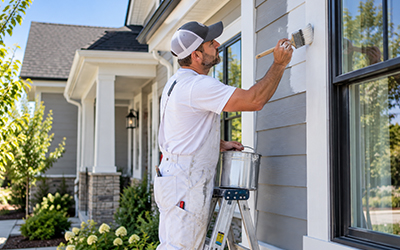
Experienced house painters understand the importance of ensuring that surfaces are clean, dry, and properly prepared before beginning any house painting project.
Humidity refers to the amount of moisture present in the air. High humidity levels can slow the drying and curing process because moisture evaporates more slowly from the paint film.
When paint takes longer to dry, several issues may occur:
Professional painting services carefully evaluate weather conditions before scheduling exterior work to help ensure optimal paint performance.
Many signs of paint failure begin gradually and become more noticeable over time. Moisture-related problems may initially appear as minor cosmetic issues but can eventually affect larger sections of the home's exterior.
Common indicators of moisture-related paint problems include:
Addressing these concerns early can help prevent more extensive repairs and preserve the appearance of the home.
One of the most effective ways to combat moisture-related paint issues is through proper surface preparation. Before paint is applied, surfaces should be cleaned thoroughly, damaged areas repaired, and moisture sources addressed.
Professional house painters often inspect for issues such as:
Correcting these conditions before painting helps create a stronger foundation for long-lasting results.
Not all paints are designed to perform equally under challenging environmental conditions. High-quality exterior coatings are often formulated to resist moisture, UV exposure, temperature fluctuations, and mildew growth.
Professional painting services can recommend products that are appropriate for the home's materials and environmental conditions. Selecting the right primer and finish coat helps improve durability and may extend the lifespan of the paint job.
Proper product selection is an important component of successful exterior painting projects.
Weather conditions play a major role in paint performance. Painting during periods of excessive humidity, rain, or fluctuating temperatures can affect curing and adhesion.
Many exterior painting professionals monitor forecasts carefully to identify suitable application windows. Dry conditions, moderate temperatures, and stable weather patterns often provide the best environment for successful paint application.
Homeowners planning a house painting project should consult experienced professionals who understand how the weather can affect outcomes.
Exterior paint serves as both a decorative and protective layer for a home. Moisture and humidity can compromise that protection when surfaces are not properly prepared, products are poorly selected, or weather conditions are unsuitable during application.
By working with knowledgeable house painters and investing in professional painting services, homeowners can reduce the risk of moisture-related paint failure and help preserve the appearance of their property. Proper preparation, careful timing, and quality materials all contribute to durable exterior painting results that stand up better to environmental challenges and provide lasting value.
Cookie Preferences | Cookie Consent | Privacy Policy | Terms
By accessing this website or submitting any form, you consent to receive communications from us via phone, text message (SMS), and email. Message and data rates may apply. You may opt out of these communications at any time.