Posted on Nov 23, 2026
Image Credit:
Medical Marketing Guru
Share: 



Where honesty, integrity, and quality come first!
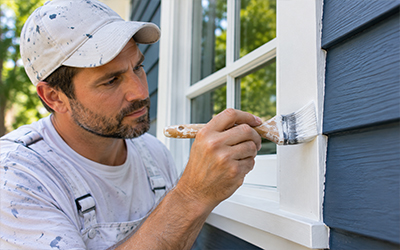
A fresh coat of paint can dramatically improve a home's appearance, but the difference between an average paint job and a professional finish often comes down to the details. Uneven coverage, visible brush marks, and poorly defined edges can make freshly painted surfaces appear unfinished. Achieving smooth, consistent results requires careful planning, preparation, and skilled application.
Professional painting services focus on creating uniform finishes while protecting surrounding surfaces. Whether homeowners are planning exterior painting or a complete house painting project, understanding the techniques professionals use can help them recognize quality workmanship and make informed decisions.
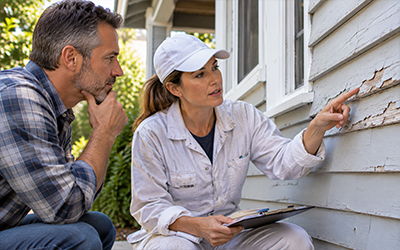
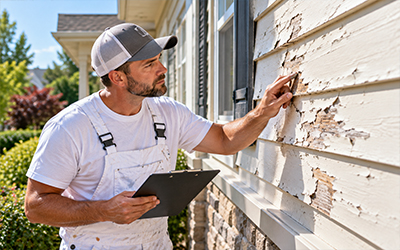
One of the most important steps in achieving even paint coverage happens before the first coat is applied. Dirt, peeling paint, rough surfaces, and damaged caulking can interfere with paint adhesion and create visible imperfections.
Professional painters begin with thorough surface preparation, which may include washing, scraping, sanding, filling minor imperfections, and repairing deteriorated caulking.
For exterior projects, surfaces must also be sufficiently dry before painting begins. Applying coatings over moisture or unstable materials can contribute to premature peeling and uneven results.
Careful preparation creates a more consistent foundation, allowing the finished coating to look smoother and perform as intended.
The equipment used during a painting project influences the appearance of the finished surface. Professional painters select brushes, rollers, and spray equipment based on the material being painted and the type of coating being applied.
High-quality brushes help create controlled edges around trim, windows, and architectural details. Appropriate roller covers distribute paint across surfaces while minimizing unwanted texture.
Spray equipment can provide efficient coverage on certain exterior materials, but proper technique and surface protection remain essential.
Experienced professional painters understand which tools are best suited for different applications and how to use them effectively.
Clean lines are especially important where siding meets trim, around windows and doors, and along contrasting painted surfaces.
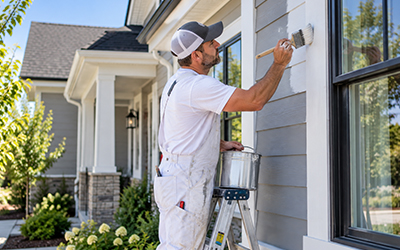
Professional painters use careful cutting-in techniques to establish defined boundaries before completing larger areas. Depending on the surface, they may also use specialized painter's tape to protect adjacent materials.
However, tape alone does not guarantee sharp edges. Proper placement, surface condition, application technique, and timely removal all influence the finished result.
During house painting, maintaining consistent hand control and working systematically helps prevent uneven borders, paint bleeding, and accidental overlap.
These details contribute to the polished appearance homeowners expect from professional workmanship.
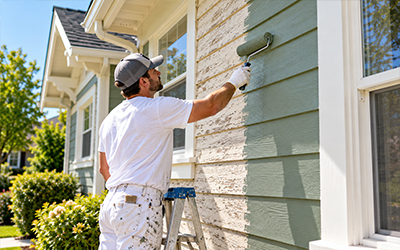
Uneven coverage can occur when paint is applied too heavily, spread too thinly, or allowed to dry inconsistently. Professional painters use controlled application methods to maintain uniform color and texture.
Effective paint application techniques involve following manufacturer recommendations for coating thickness, drying time, and application conditions.
Painters also maintain consistent working patterns to minimize visible transitions between painted sections. On larger surfaces, managing wet edges helps reduce lap marks and uneven sheen.
For exterior painting, temperature, humidity, sunlight, and wind can affect application conditions. Professionals evaluate these factors to determine when painting can proceed successfully.
Primer plays an important role in preparing certain surfaces for new paint. Bare wood, repaired areas, stained materials, and some previously coated surfaces may require specialized primers.
Using the appropriate primer can improve adhesion, reduce uneven absorption, and help create a more consistent appearance.
Professional painters evaluate the condition of each surface before determining whether spot priming or broader primer application is necessary.
A properly selected primer can also help prevent certain stains from showing through the finished coating.
These preparation decisions are especially valuable during residential painting projects involving multiple surface materials or previously damaged areas.
A single coat of paint may not provide sufficient coverage, particularly when changing colors or painting surfaces with uneven absorption.
Professional painters assess the coating manufacturer's recommendations and the condition of the surface to determine the appropriate number of coats.
Applying additional coats when necessary helps create consistent color, reduce visible imperfections, and achieve the intended finish.
Homeowners comparing painting services should ask whether the project estimate specifies the expected coating system and number of coats.
Clear expectations help prevent misunderstandings about coverage and finished appearance.
Professional painting does not end when the final coat dries. A thorough inspection helps identify areas requiring touch-ups, additional coverage, or cleanup.
Common finishing checks include:
These final steps help ensure that the completed house painting project meets established expectations.
Clean lines and even coverage are important for appearance, but professional painting also helps protect exterior materials from environmental exposure.
Proper preparation, suitable coatings, and careful application contribute to a durable professional paint finish that can withstand normal weather conditions and everyday wear.
At Waters Painting Service, attention to preparation, application techniques, and finishing details reflects the importance of quality workmanship.
Homeowners considering painting services can benefit from understanding how these practices influence both appearance and long-term performance.
By investing in carefully planned exterior painting, homeowners can improve curb appeal, maintain attractive surfaces, and help protect their properties for years to come.
Posted on Nov 23, 2026
Medical Marketing Guru
Share:

Cookie Preferences | Cookie Consent | Privacy Policy | Terms
By accessing this website or submitting any form, you consent to receive communications from us via phone, text message (SMS), and email. Message and data rates may apply. You may opt out of these communications at any time.