Posted on Mar 23, 2026
Image Credit:
File ID 116681334 | © Mbr Images | Dreamstime.com
Share: 



Where honesty, integrity, and quality come first!
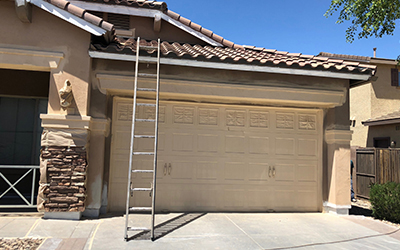
Exterior paint protects a home from weather, moisture, and environmental wear while enhancing its overall appearance. One of the most significant factors affecting exterior paint performance is sunlight. Continuous exposure to ultraviolet (UV) rays can gradually alter paint color, weaken its protective qualities, and shorten its lifespan. Understanding how sun exposure impacts paint helps homeowners make informed decisions about maintenance and repainting.
Professional home exterior painting services can evaluate the effects of sun exposure and recommend materials and techniques designed to maintain long-term exterior paint durability.
Sunlight contains ultraviolet radiation that gradually breaks down the chemical bonds within paint pigments and binders. As these bonds deteriorate, the paint’s color and strength begin to change.
Over time, this process can lead to paint fading, where the original color becomes dull or uneven. Surfaces receiving direct sunlight for most of the day are especially vulnerable to fading and deterioration.
Experienced residential exterior painters in Colorado often consider the direction of sunlight and the home’s orientation before recommending paint colors and finishes.
Not all paint colors react to sunlight in the same way. Certain pigments are more resistant to UV damage, while others tend to fade more quickly when exposed to intense sunlight.
Darker colors typically absorb more heat and may fade faster than lighter shades. Reds, blues, and darker browns are often more susceptible to fading compared to neutral or lighter tones.
Homeowners searching for local exterior painters near me frequently ask about color longevity, particularly when selecting darker paint options for exterior house painting projects.
Sun exposure affects more than just color. Heat from sunlight can also weaken the paint’s protective layer. When exterior surfaces become hot during the day and cool at night, repeated expansion and contraction may gradually reduce paint adhesion.
These temperature fluctuations can eventually contribute to:
Routine inspections and periodic house paint maintenance help identify these issues before they progress into larger problems.
Certain areas of a home are more exposed to sunlight than others. South- and west-facing walls typically receive the most intense sun exposure, making them more vulnerable to fading and deterioration.
Other factors that can increase UV exposure include:
Professionals providing home exterior painting services often assess these conditions before recommending paint types designed to withstand extended sunlight exposure.
Modern exterior paints are formulated with additives that help resist UV damage and maintain color stability. Higher-quality paints often include protective resins and pigments that slow down fading and improve overall durability.
When selecting paint for sun-exposed areas, homeowners may benefit from consulting experienced residential exterior painters in Colorado for guidance. Professional painters understand which materials perform best in varying environmental conditions.
Key features to look for in high-quality exterior paint include:
Choosing the right paint and preparation techniques helps extend the life of exterior house painting projects.
Even the highest-quality paint may fail prematurely if it is applied incorrectly. Proper surface preparation, priming, and application techniques are essential for maximizing paint performance in sunny environments.
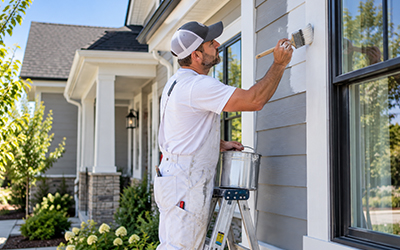
Experienced painters carefully prepare surfaces by removing dirt, repairing damaged areas, and applying primer before painting. These steps help ensure the paint adheres properly and provides consistent protection.
Homeowners researching local exterior painters near me often discover that professional preparation and application significantly influence how well paint resists sun damage over time.
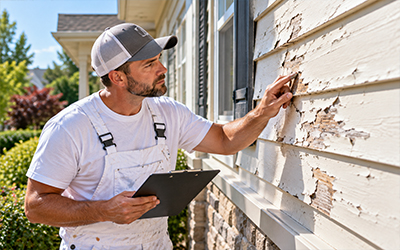
Regular maintenance helps preserve exterior paint and prevent early deterioration caused by sun exposure. Inspecting painted surfaces annually allows homeowners to identify fading, cracking, or chalking before these issues worsen.
Simple maintenance steps can help protect painted surfaces, including:
These measures help maintain the appearance and performance of exterior paint while reducing the likelihood of major repainting projects.
Sunlight is one of the most powerful environmental factors affecting exterior paint color and durability. Over time, UV radiation and temperature fluctuations can cause fading, cracking, and reduced paint performance.
Working with experienced residential exterior painters Colorado homeowners trust helps ensure that paint selections, preparation methods, and application techniques are designed to withstand sun exposure. When homeowners notice early signs of fading or wear, consulting local exterior painters near me can help restore the home’s appearance and protect it from long-term environmental damage.
Cookie Preferences | Cookie Consent | Privacy Policy | Terms
By accessing this website or submitting any form, you consent to receive communications from us via phone, text message (SMS), and email. Message and data rates may apply. You may opt out of these communications at any time.